
Related Products
FAQ
What is the main difference between DIN 933 and DIN 931?
The primary difference lies in the thread length. DIN 933 specifies fully threaded bolts (threaded to the head), whereas DIN 931 refers to partially threaded bolts with a plain shank.
What do the markings "8.8" and "10.9" on the bolt head represent?
These represent the Property Class (strength grade). Grade 8.8 is a high-tensile medium carbon steel, while Grade 10.9 offers even higher tensile strength and yield strength, suitable for heavy-duty structural applications.
Can Grade 10.9 bolts be used interchangeably with Grade 8.8?
While 10.9 is stronger, it is not always a direct substitute. Grade 10.9 bolts are less ductile and more sensitive to hydrogen embrittlement. Always follow the engineering design specifications of your project.
What surface treatments are available for DIN 933 bolts at Longshi?
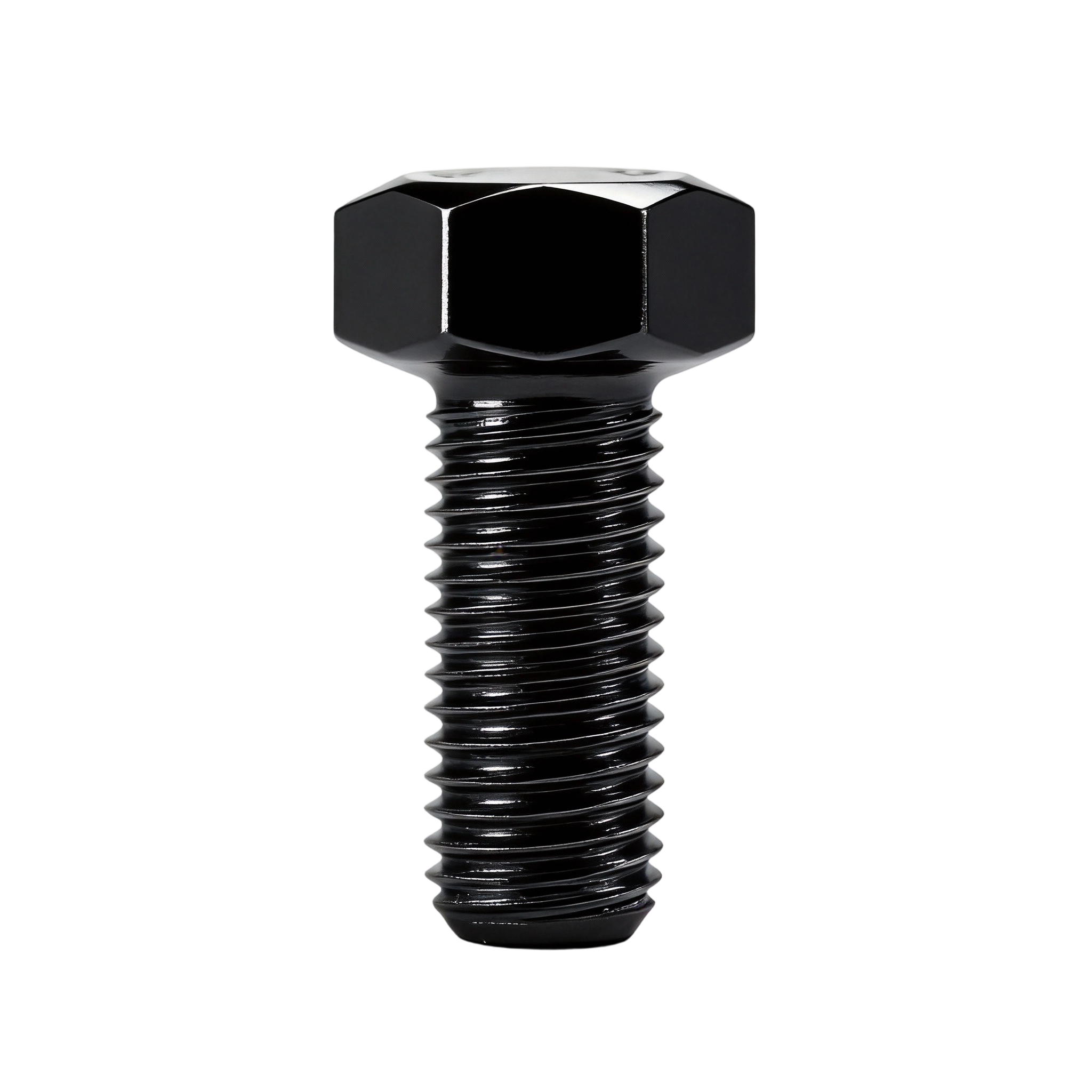
We offer various finishes including Plain (Black), Zinc Plated (White/Yellow), Hot Dip Galvanized (HDG), and Dacromet to meet different corrosion resistance requirements.
Are these bolts suitable for high-vibration environments?
DIN 933 bolts provide a secure hold, but for high-vibration applications, we recommend using them in conjunction with Spring Washers or Nylon Insert Lock Nuts to prevent loosening.
What is the tensile strength of a Grade 10.9 DIN 933 bolt?
A Grade 10.9 bolt has a nominal tensile strength of 1000 MPa and a yield strength of approximately 900 MPa (90% of tensile strength).
How do you ensure the thread quality of your DIN 933 bolts?
All our bolts undergo strict Go/No-Go Gauge testing during production. Our threads are rolled to meet 6g tolerance standards, ensuring smooth assembly with standard nuts.
What material is used for Grade 8.8 and 10.9 bolts?
Grade 8.8 is typically made from quenched and tempered Medium Carbon Steel. Grade 10.9 uses Alloy Steel (like 40Cr or 35CrMo) to achieve its superior mechanical properties.
Customer Reviews